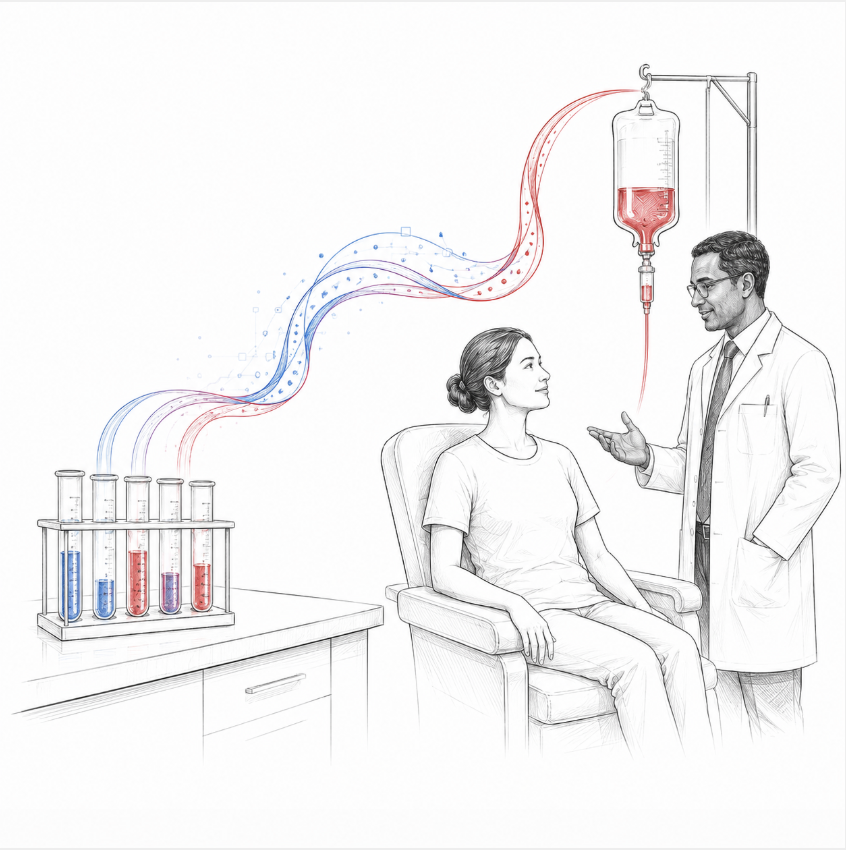
Research themes
Macrophages — the body’s full-service first responders — are among the oldest immune cells, found across nearly all multicellular species. Over evolution, they’ve taken on wide-ranging roles: clearing pathogens, sensing injury, driving repair, and—when properly activated—launching adaptive immunity. As the immune system’s ultimate generalists, macrophages maintain tissue balance with specialized subsets that keep each organ functioning.
The Merad Lab uncovered the developmental origins of tissue-resident macrophages and revealed their striking functional diversity—from shaping brain development to regulating gut motility and blood cell production.
Normally protectors of tissue health, macrophages can turn harmful when their sensing, inflammatory or repair programs go awry. In cancer, they’re hijacked to foster tumor growth and suppress immunity. In disorders like Langerhans Cell Histiocytosis, they disrupt the blood–brain barrier and drive neurodegeneration. And in chronic conditions such as inflammatory bowel disease, cardiovascular disease, and aging, aberrant macrophage activity fuels inflammation—making these cells prime therapeutic targets.
By decoding the molecular programs that make macrophages helpful or harmful, the Merad Lab aims to reprogram them to work with the immune system to prevent, slow, and even reverse disease.
Dendritic cells — the immune system’s professional sentinels — form the main antigen-presenting arm of the myeloid lineage. The Merad Lab defined the developmental origins of the subset that cross-present antigens, a process vital for antiviral and antitumor immunity. The team also maps the dendritic-cell populations and programs that shape immune responses during cancer therapy, offering new ways to harness these cells for more effective treatments.
Together, these efforts unite both arms of the myeloid system—macrophages and dendritic cells—toward a common goal: designing and testing myeloid-based therapies that restore immune balance and improve human health.
Immune Dysfunction in Disease
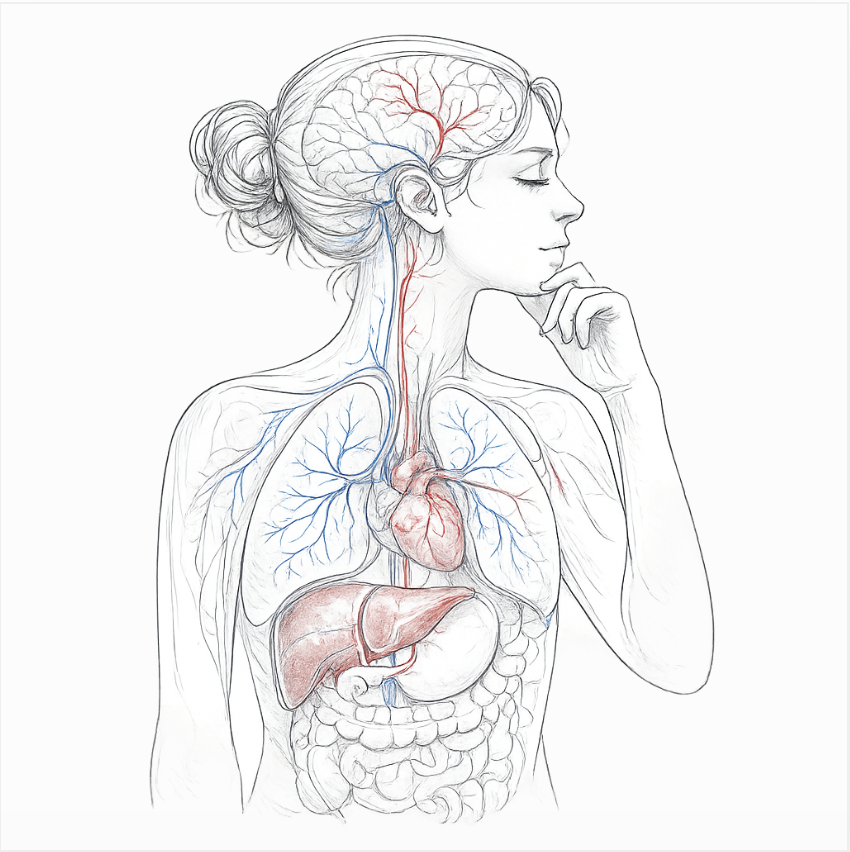
Fundamentals of Myeloid Biology
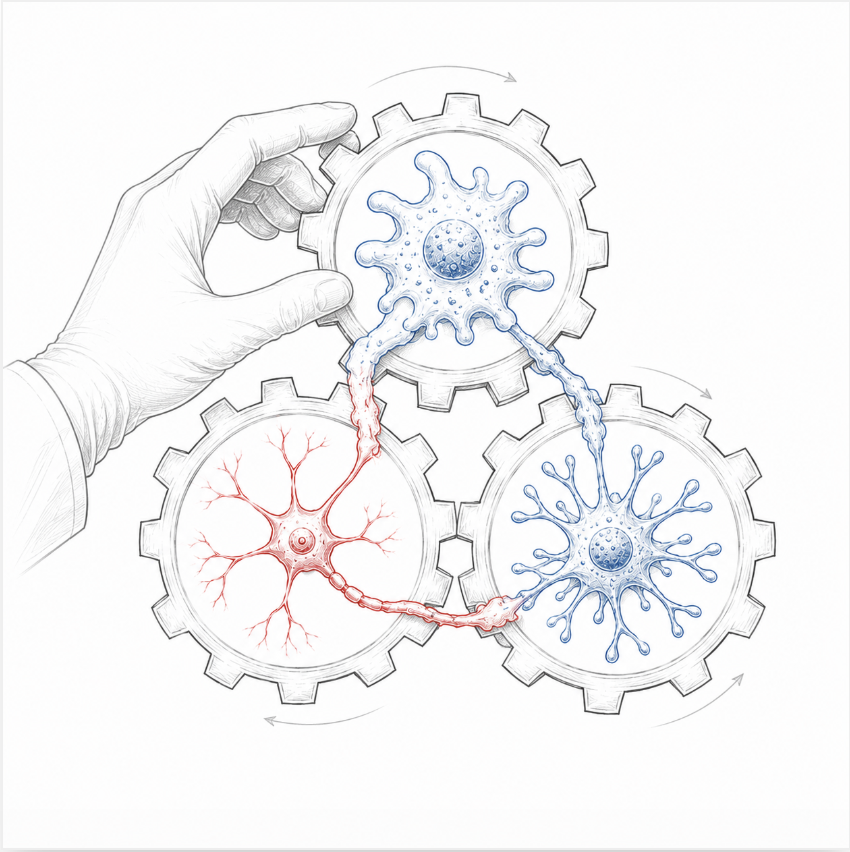
Early-Phase Clinical Trials